
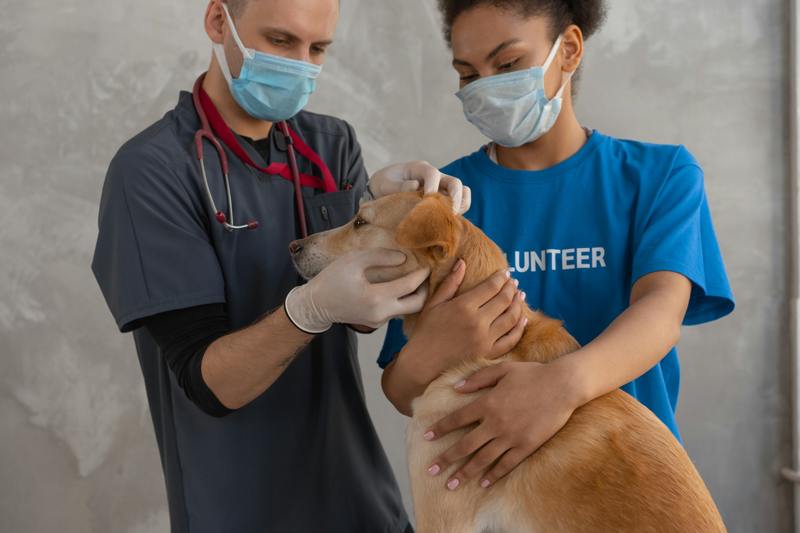
Routine veterinary care for dogs converts the typical reactive (problem-based) behavior of dog ownership into proactive (preventing problems). Regular checkups with your veterinarian can identify potential health issues as they develop in order to prevent an emergency. Care that is based on the age and breed of your dog will support a longer and healthier life for your dog.
Each life stage of a dog has its own unique risk factors, such as puppy development, adult injury, or senior decline. Early behavioral changes are usually identifiable prior to any obvious physical changes; therefore, it is up to the owner to recognize these signs as well as be proactively involved in preventing potential problems.
The Puppy Years: A Healthy Start (0 to 2 Years)
Common Gastrointestinal Issues in Puppies
Dogs use their mouths to explore their environment, which makes them vulnerable to vomiting, diarrhea and gastritis. More than 60 percent of emergency visits involve foreign bodies, eating something they should not have eaten or parasites. Deworming puppies early in their lives and introducing new pets into their home slowly will help to prevent life-threatening intestinal obstruction.
Preventing Infectious Diseases
Unvaccinated puppies are at the greatest risk for distemper, parvovirus, and kennel cough. Vaccines for DHPP and Rabies should be administered when the puppy is six, ten, fourteen, and sixteen weeks old to provide lifelong immunity. Spaying or neutering can be discussed at 6 months of age; the best time to spay or neuter will vary depending upon the size of the breed.
Peak performance health for adult dogs (ages 2-7 years)
Skin and Ear Infections Dominate
Dermatitis is an allergic condition that affects 15 percent of adult dogs each year. It is followed by ear infections. Most cases of chronic ear and skin infections are resolved with a food trial, use of hypoallergenic shampoos and antibiotic treatment based on cytological analysis. Untreated allergies can increase the risk of developing secondary yeast or bacterial infections by three times.
Preventive Care Foundation
Annual wellness panels help determine baseline values for kidneys and liver before they begin to silently fail. Heartworm testing and preventative medication should be used year round. Annual dental evaluations can identify problems such as tartar build up at an early stage, thereby preventing extraction when it reaches stage two.
Fine needle aspiration biopsy should immediately be done if a growing lump develops. Lipomas, which are benign tumors, far exceed malignant tumors 3 to 1. However, early detection significantly improves prognosis for malignant cancers.
Older dogs (7+ Years): Managing multiple conditions
Osteoarthritis
Sixty percent of dogs older than eight years develop osteoarthritis. Maintaining joint function through the use of glucosamine (large breeds 1000 mg per day) and NSAIDS along with physical therapy, will allow dogs to continue to move. Reducing the weight by just ten percent reduces lameness score in dogs that are overweight/obese.
Cognitive dysfunction syndrome
Disorientation, sleep disturbances and house soiling can appear to be the result of “just being grumpy like an old dog.” Antioxidant diets and anxiolytic medications have been shown to delay the progression of cognitive dysfunction syndrome by forty percent. Neurological examinations every six months to detect reversible metabolic causes of disorientation before cognitive dysfunction syndrome has developed.
Ensuring that the best veterinary clinics for senior pets provide specialized senior protocols beyond what is routinely provided.
Behavioral Signs Owners Should Never Ignore
Aggressive Behavior Due to Pain
Snapping when touched, avoiding jumps, and protecting favorite areas may indicate that your dog is in pain due to arthritis or neoplasia. Joint pain and spondylosis can also be hidden under the guise of laziness. An analgesic response will confirm if there are underlying medical issues rather than a label.
Changes in Appetite or Thirst
Diabetes (high blood sugar), Cushing’s syndrome, or kidney disease all present with polydipsia/poluria (increased water consumption). Weight loss with excessive appetite can be caused by hyperthyroidism or cancer. If you are doubling your dog’s normal daily intake within 48 hours after a log bowl refill, it would be wise to run a glucose curve on your dog.
Patterns of Social Withdrawal
If your dog has been playful and now refuses to interact with their toys, take them on walks, play with their pack-mates, etc., then these signs should trigger further investigation for cardiac disease or metastatic pain. Measure interaction time – a 50% drop-off warrants chest radiographs and pain scoring before labeling this depression.
Importance of Regular Veterinary Care
Creation of Baseline
Blood work conducted on an annual basis is used to track changes in a dog’s creatinine levels before the onset of azotemia. Changes in liver enzyme values are indicative of early liver disease (hepatitis). The use of thyroid function tests can help differentiate “lazy seniors” with hypothyroidism from those that do not have this condition.
Detection of Cancer
Aspiration of lumps or masses found on examination occurs on the day of visit; radiographs of the chest and abdomen are used to detect metastasis prior to clinical signs developing. The ability to perform splenectomy successfully decreases from approximately 90% when incidental, to less than 20% when performed emergently due to hematoabdomen.
Monitoring of Medication Safety
Arthritic seniors require monitoring of their kidneys and liver functions at least once every three months if they are taking NSAIDs. Confirmation by microchip is required annually for administration of heartworm prevention medications.
Vaccination protocols are tailored to individual lifestyles and include triennial vaccinations for low risk adult dogs.
Checklist for Age Specific Monitoring
Puppies (Quarterly)
- Parasites detected through fecal floatation
- Growth curves tracked
- Examination of heart murmur for presence of subaortic stenosis
- Patellar luxation graded
Adult Dogs (Annually)
- Complete Blood Chemistry Profile
- Urinalysis + Culture
- Dental Scoring
- Heartworm Antigen Testing
Senior Dogs (twice annually)
- Senior Wellness Panel and Thyroid Function Tests
- Blood Pressure Screening
- Chest Radiograph for assessment of the Heart and Lung
- Abdominal Ultrasound
The 5 ways to care for senior dogs outlines practical home management strategies designed to be used in conjunction with regular veterinary visits.
Nutrition and lifestyle through stages of development
Precision in Growth Phase
To avoid the formation of deformed bones, large breed puppies are given limited amounts of calcium (1.2%). Puppies should be fed frequently so that they do not eat too much food at one time and can avoid the possibility of bloat. Rawhide chews have been banned as a result of intestinal blockages which cause death to thousands of animals annually.
Maintenance for Adults
Adults maintain their muscle mass with 60% lean proteins and glucosamine. Supplements for joints begin to be taken preventatively starting at five years old. A weight loss program will cut a dog’s chance of developing diabetes in half.
Therapeutic Diets for Seniors
Prescription diets for the kidneys limit phosphorus intake from the beginning. High fiber formulas assist with managing the constipation that is common among older dogs. Omega-3 fatty acid supplements reduce the inflammation associated with arthritis by 25%.
Conclusion
Routine veterinary care for your dog evolves as he ages; from the vaccinations you gave him as a puppy to the screenings he needs now as an adult or senior. Changes in behavior may signal an underlying issue and regular monitoring helps ensure your dog has a healthy and long life. Finding best veterinary clinics for senior pets will provide individualized care for each stage of your pet’s life.
Cover Photo by Mikhail Nilov via www.pexels.com