
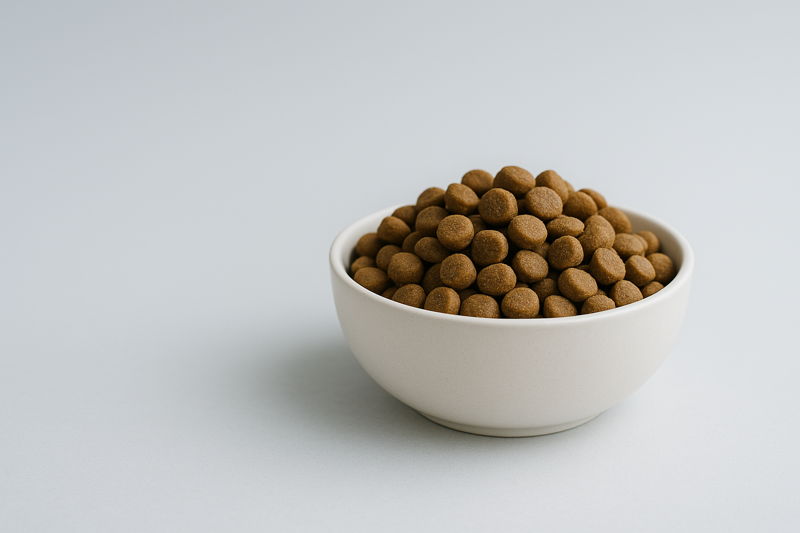
Maintaining your dog’s oral health is crucial for their overall well-being. While many dog owners are aware of the importance of regular veterinary check-ups, the role of diet in dental hygiene is often overlooked. Feeding your dog the right type of food, such as kibble, can significantly impact their oral health.
Keeping your dog’s teeth and gums healthy is essential to their overall health. Just like humans, dogs are susceptible to dental diseases that can lead to serious health issues if left untreated. Ensuring good oral hygiene begins with regular veterinary check-ups and a proper diet. Integrating Dry Dog Food into your pet’s routine not only satisfies their hunger but also plays a significant role in maintaining dental cleanliness. The right diet helps prevent plaque and tartar buildup, which are common culprits behind gum disease and tooth decay in dogs.
The Texture And Structure Of Kibble Reduces Plaque
When you feed your dog kibble, you’re providing them with a meal that does more than satisfy their hunger. The crunchy texture of kibble serves a mechanical function by scraping off plaque as your dog chews. This chewing action is critical because it helps clean the teeth and massage the gums, promoting better oral health. Dogs that regularly consume kibble tend to have less tartar buildup compared to those fed with softer foods.
The act of chewing kibble is beneficial beyond just scraping away plaque. It stimulates saliva production, which naturally cleanses the mouth by washing away food particles and bacteria. This process is essential for preventing bad breath and more serious dental problems. As your dog chews, they also exercise their jaw muscles, contributing to stronger teeth and gums. By choosing a kibble-based diet, you’re actively supporting your dog’s dental health through these natural processes.
Nutritional Components In Kibble Support Oral Health
Kibble doesn’t just benefit your dog’s teeth through its mechanical properties; it also provides essential nutrients that support overall dental health. Many high-quality kibbles are fortified with vitamins and minerals specifically aimed at improving oral hygiene. Ingredients like calcium and phosphorus are crucial for maintaining strong teeth and bones, while certain additives can help control bacteria growth.
Some kibbles include added enzymes or specific coatings designed to reduce tartar accumulation further. These specialized formulas target bacterial growth directly, minimizing the risk of developing periodontal disease. When selecting a kibble for your pet, look for labels highlighting these nutritional benefits to ensure you’re contributing positively to their dental care routine.
Comparing Kibble’s Benefits With Other Food Types
While kibble offers distinct advantages for oral health, it’s important to compare its benefits with other food types available on the market. Wet or canned foods, for instance, lack the abrasive texture that kibble provides and may contribute more readily to plaque buildup if used exclusively. However, they can be part of a balanced diet when combined with dry food options.
Beyond dietary choices, regular brushing remains an essential practice in maintaining your dog’s oral hygiene. Combining a balanced kibble-based diet with consistent brushing habits creates a comprehensive approach to dental care. Regular professional cleanings by your vet also play a vital role in identifying potential issues early on.