
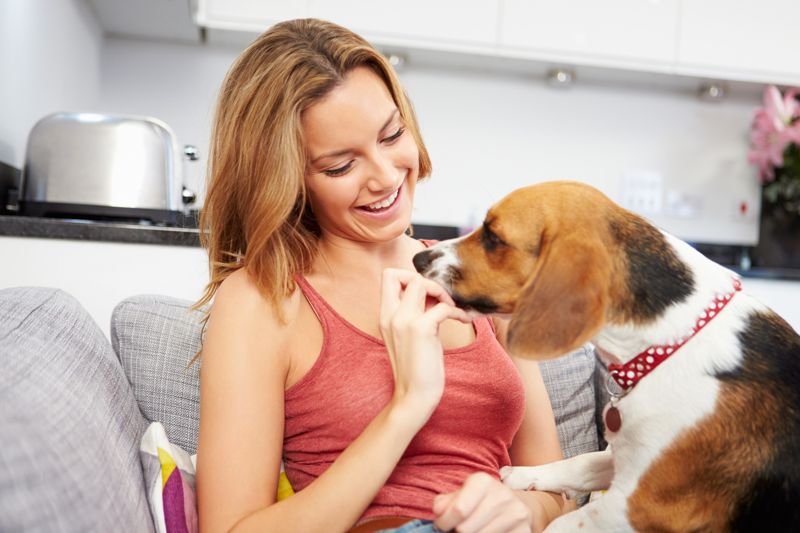
A dog does not need a mansion, a designer bed, or a toy collection that spills out like a small retail aisle to feel happy at home. What dogs really need is something much simpler and much more important: safety, comfort, consistency, stimulation, and connection. A happy dog home is not about perfection. It is about creating an environment where your dog can relax, play, rest, and feel like they truly belong.
For many dog owners, especially new ones, it is easy to focus on supplies first. Food bowls, beds, leashes, crates, treats, toys, grooming tools, and all the rest. Those things matter, of course. But what makes a home comfortable and happy for a dog goes beyond the gear. It is also about routine, atmosphere, trust, and the little day-to-day choices that shape how your dog experiences life with you.
The good news is that creating a dog-friendly home does not require anything fancy. Most dogs are delightfully practical. They are not asking for imported linens and an aromatherapy rotation. They want a predictable life, a soft place to land, a chance to move and explore, and humans who understand their needs well enough to help them feel secure. Here is how to create a comfortable and happy home for your dog in ways that truly matter.
Start With a Sense of Safety
Comfort begins with safety. A dog is far more likely to relax and settle when the home feels secure and easy to navigate. This means removing obvious hazards, but it also means thinking from the dog’s perspective.
Keep dangerous foods, medications, cleaning products, cords, and small swallowable items out of reach. Secure trash cans, especially if your dog treats them like an exciting buffet with terrible judgment. Check your house and yard for anything sharp, toxic, unstable, or easy to escape through. A fenced yard, baby gates, or a properly introduced crate can all help create safer boundaries.
Safety also includes emotional safety. Dogs need to feel that home is a place where they will not be startled, overwhelmed, or punished unpredictably. Loud chaos, rough handling, or constantly changing rules can make some dogs feel unsettled. A calmer, clearer environment helps them trust their surroundings.
When a dog feels safe, you can often see it in their body language. They rest more deeply. They stretch out. They explore more confidently. They stop looking like they are waiting for the next strange plot twist.
Give Your Dog a Space of Their Own
Dogs may love being near their people, but they also benefit from having a designated place to retreat and rest. This could be a dog bed in a quiet corner, a crate set up as a cozy den, or a soft mat in a room where the family spends time. What matters is that your dog has a spot that feels reliably theirs.
A personal space helps dogs settle, especially in busy households. If children are running around, visitors are over, or the house is louder than usual, that spot becomes a small island of calm. It tells the dog, this is where you can rest without being bothered.
Place the bed or resting area somewhere that is comfortable but not too isolated. Many dogs like being near the action without being right in the middle of it. A living room corner, bedroom nook, or quiet area near the family can work well. If you use a crate, make it positive and comfortable with bedding and perhaps a blanket over part of it to create a more den-like feeling.
The goal is not to send the dog away. It is to give them a safe landing place when they want one.
Build a Consistent Daily Routine
Dogs thrive on routine. A comfortable home for a dog is not just about physical surroundings. It is also about predictability. When your dog knows when meals happen, when potty breaks happen, when walks happen, and when it is time to rest, life feels less stressful.
Feed your dog around the same times each day. Keep bathroom breaks regular. Build walks and exercise into a general rhythm. Create a bedtime pattern. Dogs quickly learn household timing, and that structure helps them feel secure.
Routine is especially important for puppies, rescue dogs, and anxious dogs. When everything else still feels new or uncertain, a predictable schedule can be incredibly comforting. It reduces confusion and can prevent behavior issues caused by stress or excess energy.
Of course, life is not always clockwork. Some flexibility is fine. But a basic routine gives your dog a sense of order, and order helps a home feel safe.
Make Rest a Priority
A happy dog is not one who is stimulated every second of the day like a furry little theme park guest. Dogs need a lot of rest. Depending on age, breed, and health, many dogs spend a large part of the day sleeping or relaxing. A comfortable home supports that rest instead of constantly interrupting it.
Give your dog a quiet place to nap. Try not to let every nap become a parade of interruptions, cuddles, or random excitement. This is especially important if you have children, who may need gentle reminders that sleeping dogs deserve space and respect.
Think about comfort too. Some dogs love plush beds, while others seem determined to sleep in a dramatic twist across the coolest patch of floor they can find. Pay attention to your dog’s preferences. Older dogs or dogs with joint issues may appreciate orthopedic bedding. Thick-coated dogs may prefer cooler surfaces in warm weather. Comfort is not one-size-fits-all.
A dog who rests well is often calmer, more emotionally balanced, and better able to enjoy everything else in the home.
Keep Food, Water, and Mealtime Calm
Basic care has a big effect on comfort. Fresh water should always be available, and your dog’s food area should feel clean and calm rather than chaotic. Some dogs eat happily in the middle of the kitchen bustle. Others do better in a quieter corner where they are not being stepped over or startled.
Feed a quality diet appropriate for your dog’s age, size, and health needs. Keep mealtimes relatively consistent. If you have multiple pets, make sure everyone can eat without tension or competition unless they are truly comfortable doing so. Resource stress around food can chip away at a dog’s sense of security.
Mealtime can also be a positive routine that adds structure and pleasure to the day. Some owners make feeding even more enriching by using puzzle feeders, snuffle mats, or simple training games. These can add mental stimulation while slowing down dogs who inhale their meals like vacuum cleaners with feelings.
Provide the Right Kind of Exercise
One of the fastest ways to make a dog unhappy at home is to give them too little physical outlet for their energy. A bored dog often becomes a self-employed interior designer with destructive side projects. Chewing, pacing, barking, digging, and restless behavior are often signs that a dog needs more activity or stimulation.
That does not mean every dog needs hours of intense exercise. Needs vary widely. A senior lap dog and a young working breed are not operating from the same blueprint. The key is understanding your individual dog.
Daily walks are a great foundation. Play sessions, fetch, tug, scent games, yard time, hikes, and training activities can all help depending on the dog. Physical activity helps dogs stay healthy, but it also helps them settle better indoors. A dog who has had an appropriate outlet for energy is much more likely to relax comfortably at home.
Exercise also does not have to be high-drama. A sniffy walk where your dog gets to explore smells can be mentally satisfying in a way that is just as valuable as a brisk march around the block.
Do Not Forget Mental Enrichment
Dogs need more than physical exercise. A truly happy home also gives them opportunities to think, explore, and use their natural instincts. Mental stimulation helps prevent boredom and can make a huge difference in overall happiness.
This can include training sessions, puzzle toys, scent games, stuffed food toys, chew items, hide-and-seek, and rotating interesting toys so everything does not feel stale. Even asking your dog to practice simple cues or search for treats around the room can brighten their day and engage their brain.
Enrichment is especially important for intelligent, curious, or energetic dogs. Without it, they may invent their own activities, and these often involve disassembling household objects you would rather keep assembled.
A home that feels stimulating in healthy ways is a much happier place for a dog to live.
Keep the Atmosphere Calm and Clear
Dogs are sensitive to the emotional weather of a household. They notice tone, tension, noise, routines, and energy. A home does not need to be silent to feel comfortable, but it helps when it is not constantly chaotic.
Clear expectations matter. If the rules change every day, dogs can become confused and unsettled. Decide what is allowed and what is not, then stay consistent. If the dog is not allowed on the couch, that should not mysteriously depend on the moon phase or which adult is home. If the dog is allowed on furniture, give them a clear way to understand when and where.
Calm, kind communication helps too. Training and guidance should feel understandable rather than harsh or unpredictable. Dogs usually do best when they are taught what to do, rewarded for getting it right, and redirected clearly when needed.
A peaceful atmosphere does not mean life has to be boring. It just means the dog should not have to decode a daily tornado of mixed signals and volume changes.
Make the Home Comfortable for the Dog’s Age and Needs
A puppy, an adult dog, and a senior dog will not all find comfort in the same setup. As your dog ages, their needs may change, and a happy home adapts with them.
Puppies need extra supervision, safe chew items, easy access to potty breaks, and protected spaces for rest. Adult dogs may need more exercise, routine, and enrichment. Senior dogs often need softer bedding, easier access to favorite places, more frequent bathroom opportunities, and support for mobility.
If your dog has medical needs, fear issues, arthritis, vision loss, or other special considerations, your home setup should reflect that. Rugs or mats can help dogs who slip on smooth floors. Stairs or ramps may help dogs who struggle to jump. Nightlights can help some older dogs. Elevated bowls can help certain dogs, depending on veterinary advice.
Comfort is not static. It changes with the dog.
Keep Grooming and Hygiene Part of Home Comfort
A dog may live in a beautiful home, but if their nails are too long, their coat is matted, or their ears are uncomfortable, they are not going to feel very happy. Basic grooming is a big part of everyday comfort.
Brush your dog as needed for their coat type. Keep nails trimmed. Check ears. Maintain dental care. Bathe when appropriate, but not excessively. Clean bedding and food bowls regularly. A dog who feels physically comfortable in their own body is more likely to feel relaxed at home.
Pay attention to seasonal comfort too. In hot weather, provide shade, cool water, and cooler resting areas. In cold weather, short-haired or smaller dogs may need sweaters for outings, warm bedding, or shorter exposure outside.
Let Your Dog Be Part of the Family
Perhaps the most important ingredient in a happy dog home is belonging. Dogs are social animals. Most do not just want to be housed. They want to be included. They want to know they are part of the group.
That can mean spending time together in the same room, going on walks, doing training, playing, talking to them, or simply letting them rest nearby while family life unfolds. Inclusion builds trust and contentment. Even independent dogs usually want some sense that they are part of the household rather than decorative wildlife with a food schedule.
That does not mean the dog must be attached to every human ankle every second. Healthy independence is good. But connection matters deeply. Dogs often feel happiest when they have both companionship and a stable routine that allows them to rest and recharge.
Watch Your Dog and Learn What They Love
One of the best ways to create a comfortable and happy home for your dog is to pay attention. Dogs are wonderfully honest creatures. They show you what they enjoy, what stresses them, where they like to sleep, how much activity they need, and what helps them relax.
Maybe your dog loves soft blankets, or maybe they treat them like theatrical stage props and shove them aside to sleep on the floor. Maybe they adore watching the yard through a window. Maybe they need white noise to settle during storms. Maybe they prefer quiet affection to rowdy play. The more you observe, the better you can shape the home around the actual dog in front of you rather than some generic idea of dog happiness.
A Happy Dog Home Is Built in Everyday Moments
Creating a comfortable and happy home for your dog is not about buying the fanciest gear or turning your living room into a boutique canine spa. It is about meeting real needs in steady, loving ways. Safety. Rest. Routine. Movement. Stimulation. Clear communication. Inclusion. Comfort. Trust.
These things are built in daily moments. Filling the water bowl. Going for the walk. Offering the chew toy instead of letting boredom bloom into furniture redesign. Keeping the routine steady. Making space for naps. Saying hello with warmth. Noticing what your dog needs and adjusting when necessary.
In the end, dogs do not ask for much compared to what they give. A home where they feel safe, understood, included, and comfortable is more than enough to make life feel very good indeed. Add a soft bed, a good walk, a favorite toy, and the presence of people they love, and from the dog’s point of view, you are not just providing shelter. You are building home.