
As winter’s chill settles in, ensuring your furry friend stays warm and dry becomes paramount. Cold weather poses unique challenges for dogs, affecting their health and comfort. Understanding these challenges helps you take effective steps to keep them safe and cozy.
The winter months can be particularly harsh on dogs, impacting both their physical well-being and their overall happiness. As temperatures drop, it’s essential to recognize the specific needs of your pet to ensure they remain comfortable. While some breeds are more resilient to cold weather, others require additional care and protection. By being proactive about your dog’s winter needs, you can help them enjoy the colder months safely. Dog clothing plays a crucial role in maintaining warmth and dryness, especially during outdoor activities.
Invest in a Proper Winter Coat
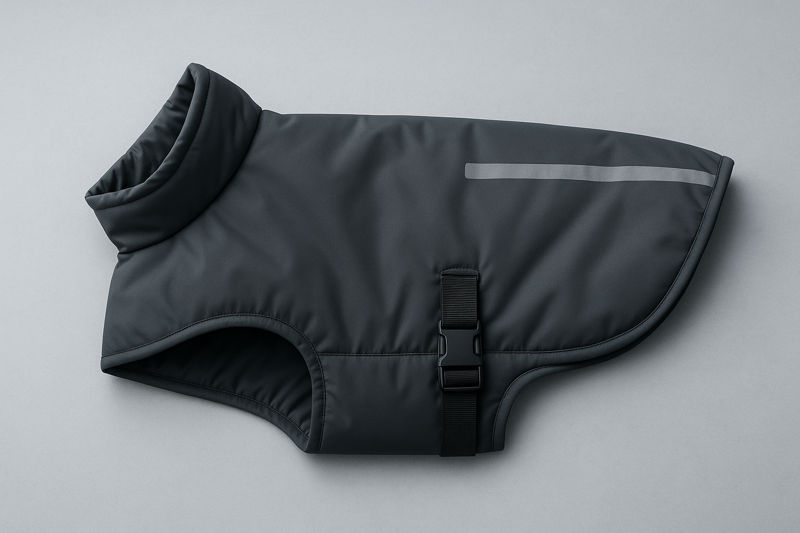
Investing in a high-quality winter coat is essential for keeping your dog warm during outdoor excursions. Choose coats that provide insulation without restricting movement. Look for features like adjustable straps and reflective strips for added safety. Winter coats not only help maintain body heat but also protect against wind and snow, ensuring your pet remains comfortable and dry during walks.
When selecting a winter coat, consider your dog’s specific body type and breed characteristics. Breeds with short hair, lean builds, or low body fat require more substantial insulation than their thick-coated counterparts. Measure your dog accurately from neck to tail base and around the chest to ensure a proper fit that won’t chafe or restrict natural movement. Quality winter coats should cover the back and belly adequately while allowing easy access for leash attachment. Remember that a well-fitted coat stays in place during active play and doesn’t require constant adjustment, making walks more enjoyable for both you and your pet.
Choose Waterproof Materials for Wet Walks
Waterproof materials are a must for rainy or snowy conditions. A coat made from waterproof fabric will keep your dog dry, preventing the discomfort of a soaked coat. This is particularly important for dogs with shorter fur, as they are more susceptible to getting chilled. Ensuring your pet stays dry helps prevent cold-related illnesses and keeps them happy during their outdoor adventures.
Modern waterproof fabrics have evolved significantly, offering breathability alongside moisture protection. Look for coats featuring materials like nylon with waterproof coatings or specialised membranes that allow heat and moisture to escape from the inside while blocking external wetness. This breathability prevents your dog from becoming damp from their own body heat, which can be just as uncomfortable as rain or snow. Additionally, sealed seams and water-resistant zippers enhance overall protection. Some advanced waterproof coats also include quick-dry linings that wick moisture away from your dog’s fur, ensuring they stay comfortable even during extended outdoor activities in challenging weather conditions.
Layer Smartly for Extra Warmth
Layering is an effective strategy to provide your dog with extra warmth. A lightweight fleece layer under a waterproof coat can offer optimal protection against the cold. This combination allows flexibility in adjusting to varying temperatures, ensuring your dog remains comfortable without overheating. Accessories like scarves or snoods can also help keep your dog’s neck and ears warm.
Understanding when and how to layer requires observing your dog’s behaviour and the environmental conditions. On moderately cold days, a single insulated layer may suffice, while extremely cold temperatures warrant multiple layers. Start with a thin, moisture-wicking base layer that sits close to the skin, followed by an insulating mid-layer for warmth retention, and finish with a waterproof outer shell. This system allows you to remove or add layers as needed throughout your walk. Pay attention to signs that your dog may be too warm, such as excessive panting or seeking shade, and adjust accordingly. The layering approach provides versatility that a single heavy coat cannot match, making it ideal for variable winter conditions.
Protect Paws from Cold and Damp Pavements
Cold and damp pavements can be harsh on your dog’s paws. Consider using dog boots to protect against ice, salt and other irritants. Boots provide a barrier that keeps paws dry and warm, reducing the risk of injury or discomfort. Regularly check your dog’s paws for signs of irritation or injury, and clean them after walks to remove any harmful substances.
If your dog resists wearing boots, alternative paw protection methods can help safeguard their feet during winter walks. Paw wax or balm creates a protective barrier against ice, salt, and cold surfaces while moisturising dry, cracked pads. Apply the product generously before heading outside, ensuring coverage between the toes and on all pad surfaces. For dogs with furry paws, trim excess hair between the pads to prevent ice balls from forming, which can cause pain and difficulty walking. Consider gradually acclimating your dog to boots through positive reinforcement training, starting with short indoor sessions and rewarding calm acceptance. Many dogs eventually adapt to boots and benefit from the superior protection they provide against extreme cold and chemical deicers.
Dry Off and Warm Up After Every Walk
After each walk, it’s important to dry off your dog thoroughly to prevent them from getting chilled. Use a towel to remove moisture from their coat and paws. Provide a warm, comfortable space for them to relax and warm up. This routine not only ensures your dog’s comfort but also helps maintain their health during the colder months.
By understanding your dog’s specific needs during colder months, you can ensure they remain comfortable and happy throughout winter. Investing in high-quality Winter coats and protective gear offers essential warmth and dryness against harsh conditions. With the right clothing and routine, winter walks can be enjoyable for dogs of all shapes and sizes, allowing them to safely experience the joys of the season.