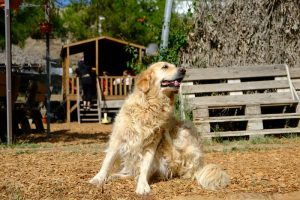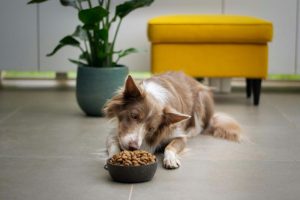

Large breed dogs aren’t just bigger versions of medium or small dogs. They have nutritional and physical concerns that smaller breeds don’t share at the same intensity. Heavier body mass puts more stress on joints. The sheer feeding volume (many large dogs eat 4 to 6 cups daily) means processing-related nutrient loss compounds quickly, and per-day food cost becomes a real factor in long-term feeding decisions. The right food for a large breed has to address all of this at once.
This guide ranks seven of the most credible dog food options for large breeds in 2026. Each pick was evaluated on protein quality, joint support, calcium and phosphorus balance, digestibility, processing method, and suitability for daily feeding at large-breed volumes.
What to Look for in Dog Food for Large Breed Dogs
Large-breed nutrition has its own priorities that differ from feeding smaller dogs. The criteria below cover what matters most when comparing options.
- High-quality animal protein. Look for a named protein (chicken, beef, lamb, fish) as the first ingredient and at least 25% protein on a dry matter basis.
- Joint-supporting ingredients. Glucosamine, chondroitin, omega-3 fatty acids (EPA and DHA), and green-lipped mussel give aging joints the building blocks they need.
- Appropriate calorie density. A 90-pound dog eats roughly twice what a 45-pound dog does, which means processing-related nutrient loss and per-day cost both compound at twice the rate.
- Digestibility and minimal processing. Wet, gently cooked, freeze-dried, and cold-pressed foods preserve more nutrients than high-heat extruded kibble. For a dog eating 4–6 cups daily, even small differences in nutrient extraction compound across thousands of meals over a lifetime.
- Bloat-conscious format choices. Kibble that expands after a dog drinks water is one of the food-related contributors to GDV/bloat risk, which is a documented concern for deep-chested breeds like Great Danes, German Shepherds, Standard Poodles, Weimaraners, and Doberman Pinschers. Non-expanding formats (wet, fresh, freeze-dried, cold-pressed) remove this concern entirely.
The 7 Best Dog Foods for Large Breed Dogs in 2026
We evaluated formulations, processing methods, ingredient sourcing, and editorial reputation for each pick below. Here’s where each food earns its place.
1. Purina Pro Plan Large Breed Adult Chicken & Rice
Purina Pro Plan Large Breed Adult is one of the most vet-recommended large-breed kibbles in the market, with real chicken as the first ingredient, added glucosamine for joint support, and live probiotics for digestive health. The larger kibble size encourages slower eating, which can help reduce post-meal water gulping in dogs prone to fast eating. Like all extruded kibbles, it’s processed at high temperatures and includes synthetic vitamins added back after processing to meet AAFCO minimums.
Why we like it
- Real chicken as the first ingredient
- Added glucosamine for joint support
- Live probiotics for digestive health
- Larger kibble size to encourage slower eating
- Calibrated calcium/phosphorus for large-breed maintenance
2. Nextrition Cold-Pressed Dog Food
Nextrition Cold-Pressed Dog Food is built on a different premise from conventional kibble. Where traditional kibble is extruded at 200–300°F (which degrades some nutrients and causes the food to expand when wet), cold-pressed food is compressed at temperatures below 100°F, preserving heat-sensitive nutrients, natural enzymes, and bioavailability that aging joints and active large breeds need to extract from every meal.
For large breeds specifically, that processing method matters in three ways. Cold-pressed food doesn’t expand in the stomach the way kibble does, making it suitable for sensitive stomachs. It’s slower-dissolving and easier for digestive systems to break down, which matters more when a dog is eating 4-6 cups daily. This option delivers low-temperature processing without the refrigeration, rehydration, or daily prep that fresh, raw, and gently cooked alternatives require, which makes it a meaningful practical consideration at large-breed feeding volumes.
Why we like it
- Cold-pressed at low temperatures to preserve nutrients and enzymes
- Doesn’t expand in the stomach
- Shelf-stable; no refrigeration required
- Real meat with joint-supporting omega-3 sources
- Transitions easily from kibble for a gentler digestion
3. Sundays for Dogs Air-Dried
Sundays for Dogs uses a warm-air drying process to make a whole-food meal that’s shelf-stable and ready to serve straight from the bag. The formulation centers on USDA-inspected beef and skips high-heat cooking and extrusion.
Why we like it
- USDA-inspected beef as the primary protein
- Warm-air dried (no extrusion or high-heat cooking)
- Shelf-stable; no refrigeration required
- No artificial preservatives or fillers
4. Eukanuba Large Breed Adult
Eukanuba Large Breed Adult is a long-established vet-channel kibble built around chicken protein, with added glucosamine and chondroitin for joint maintenance. The formulation has been refined over decades and is calibrated for large-breed adult maintenance with appropriate calcium/phosphorus ratios. Like other extruded kibbles, it relies on high-temperature processing and requires synthetic vitamins added back post-processing to meet AAFCO minimums.
Why we like it
- Chicken as the first ingredient
- Added glucosamine and chondroitin
- Calibrated for large-breed adult maintenance
- DentaDefense system for tartar reduction
- Widely available
5. Just Food For Dogs Daily Diet
Just Food For Dogs makes refrigerated fresh meals from whole-food ingredients, with recipes developed by veterinary nutritionists at the brand’s in-house lab. The Daily Diet line is portioned for daily feeding and requires constant refrigeration plus freezer storage for backstock.
Why we like it
- Whole-food ingredients, vet-formulated
- Refrigerated fresh format
- AAFCO-compliant for adult maintenance
- Transparent ingredient sourcing
6. Wellness Core Grain-Free Large Breed Adult
Wellness Core Grain-Free Large Breed is a premium grain-free kibble with deboned chicken as the first ingredient and added glucosamine, chondroitin, and probiotics. It’s frequently featured at the top of large-breed listicles for its protein-forward formulation and absence of corn, wheat, and soy.
Why we like it
- Deboned chicken as the first ingredient
- Grain-free formulation
- Added glucosamine, chondroitin, and probiotics
- High protein content (34%+ on dry matter)
- No corn, wheat, soy, or artificial preservatives
7. Primal Pet Foods Freeze-Dried Raw Pronto
Primal Pet Foods makes freeze-dried raw food in nugget form (called “Pronto”), designed for easier daily portioning than larger raw patties. Each batch is sourced from whole-prey-model raw ingredients, freeze-dried at low temperatures to preserve raw nutrition. Feeding requires adding water to rehydrate before serving, which adds prep time to daily feeding.
Why we like it
- 90%+ meat, organs, and bone
- Freeze-dried at low temperatures
- Nugget format for easier portioning
- Shelf-stable; no refrigeration required
- Multiple protein options
How to Feed a Large Breed Dog
Most large-breed adults do best on two meals per day rather than one large meal, which spreads digestion across the day and reduces post-meal stomach distension. Three smaller meals can further reduce that risk for highly bloat-prone breeds.
Slow-feeding tools (slow-feeder bowls, puzzle feeders, or food mats) reduce the speed at which dogs gulp food and air, which addresses the other major contributor to bloat. Avoid vigorous exercise within one hour before and after meals, and discourage drinking large volumes of water immediately after eating.
For transitioning between foods, plan for a 7–10 day gradual switch. Replace 10–15% of the old food with the new food each day, watching for soft stool, gas, or appetite changes. For dogs moving from kibble to wet, fresh, freeze-dried, or cold-pressed formats, expect a brief adjustment period as the dog gets used to the new texture and moisture content.
Frequently Asked Questions
How much should I feed a large breed dog?
Feeding amounts vary by dog size, activity level, and food density. Most large breeds (60–100 lbs) need between 3 and 6 cups of kibble per day, or the calorie equivalent in wet, fresh, or freeze-dried food. Follow the feeding guide on your specific food’s packaging, then adjust based on your dog’s body condition. You should be able to feel ribs without seeing them, and your dog should have a visible waist when viewed from above.
How can I reduce bloat risk in my large dog?
Several factors help. Feed two or three smaller meals rather than one large meal. Use a slow-feeder bowl. Avoid vigorous exercise within an hour of meals. Discourage drinking large volumes of water immediately after eating. And consider non-expanding food formats (wet, fresh, freeze-dried, cold-pressed) for dogs at highest risk, particularly deep-chested breeds like Great Danes, German Shepherds, Standard Poodles, and Weimaraners.
Should I switch my large dog’s food regularly?
Most veterinarians recommend protein rotation (switching between protein sources every few months) rather than constant brand-switching. Rotation can help reduce the risk of developing protein sensitivities and provides nutritional variety, but each transition should still be gradual to avoid digestive upset.
Final Thoughts
The right food for a large breed depends on what your dog needs and what fits your household. The seven options above span the credible range. From vet-channel kibbles like Purina Pro Plan and Eukanuba to premium grain-free formulations like Wellness Core, from cold-pressed nutrition through Nextrition to fresh subscription through Just Food For Dogs, plus air-dried and freeze-dried raw alternatives. Whatever you choose, focus on the criteria that matter for large breeds: balanced calcium and phosphorus, real protein, joint support, and a feeding format that fits your dog’s bloat-risk profile and your daily routine. Transition gradually, monitor your dog’s body condition and energy, and revisit the choice as your dog ages.
Main image by arda öncül: https://www.pexels.com/photo/kangal-shepherd-dog-relaxing-near-rustic-dog-house-29689224/