
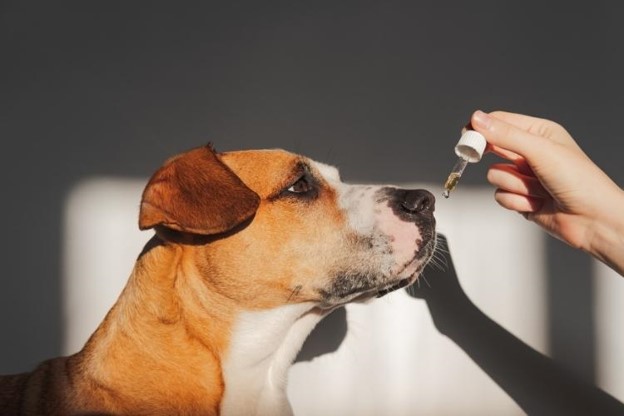
Your dog is limping, it’s 9pm, and there’s a box of paracetamol in the kitchen drawer. Every owner has been there, and every year thousands of them reach for it. In 2025 alone, the UK’s Veterinary Poisons Information Service took 776 enquiries about dogs and paracetamol, which puts it among the most common poisons it is called about.
Here’s the confusing part: your vet might prescribe paracetamol for your dog. So why do the poison lines keep ringing? Because the gap between a dose a vet chooses and a dose you guess is the gap between pain relief and liver damage. This article explains what paracetamol does inside a dog, why the “it’s fine for me, so it’s fine for Rover” logic fails, what to do if your dog has already swallowed some, and what to give instead.
Can I give my dog paracetamol?
Not from your own cupboard, no. Paracetamol can be given to dogs, but only when a vet prescribes it, at a dose worked out for your dog’s weight and health, and usually as a licensed veterinary product rather than a human tablet. Given at the wrong dose, or to the wrong dog, paracetamol damages the liver and the red blood cells that carry oxygen round the body, and the damage can take days to show.
Three things to hold onto:
- A vet-prescribed paracetamol product for dogs exists in the UK, and it is prescription-only for a reason
- Human paracetamol, Calpol and cold-and-flu remedies are never safe to give “just to take the edge off”
- If your dog has already swallowed paracetamol, call your vet or Animal PoisonLine (01202 509000) now, even if the dog seems fine
Why paracetamol is dangerous for dogs
Paracetamol is safe for people because our livers break it down efficiently. Dogs process it differently, and the part they cannot clear turns into a toxic by-product that attacks two things at once.
The red blood cells. In dogs, paracetamol changes haemoglobin, the molecule that carries oxygen, into methaemoglobin, which cannot. The blood stops delivering oxygen properly, which is why a poisoned dog pants, struggles to breathe and develops gums that turn brown, blue or muddy instead of pink. In a serious case the damaged cells break apart altogether.
The liver. Liver cells die as they try to deal with the drug. This damage lags behind the blood changes and can appear several days after the dog swallowed the tablets, by which time an owner who was reassured by a “normal” first night may have stopped worrying.
There is no household safe dose because the line depends on the dog’s weight, its liver and kidney health, what else it is taking, and whether the tablets are repeated. Small dogs, dogs with liver or kidney disease and dogs already on anti-inflammatories are at particular risk. Cats are even more sensitive, and a single tablet can kill one, which is worth knowing if you share your home with both.
The other trap is hidden paracetamol: it sits inside cold-and-flu capsules, Lemsip-style sachets and children’s syrups, so a dog that raids a handbag or licks a spilled sachet has had a dose nobody measured.
So why do vets prescribe paracetamol for dogs?
Because at the right dose, for the right dog, it works. The UK has a licensed veterinary paracetamol product, Pardale-V, which combines paracetamol with a small amount of codeine and is authorised for dogs only, for short-term pain after injury or surgery and alongside other treatments. It is a prescription-only medicine, the licence caps a course at five days, and the data sheet rules it out for dogs with heart, liver or kidney disease and bans giving it with anti-inflammatories.
That list of conditions is the whole argument in one paragraph. A vet weighs your dog, checks its organs, asks what else it is taking and sets a dose and a stop date. A packet from the chemist does none of that, and the tablet strengths in it were designed for a 70 kg adult, not a 7 kg terrier.
Vets will also, occasionally, prescribe a human paracetamol product for a dog when there is no suitable veterinary alternative. PDSA’s guidance is that this only happens when the vet can set a safe dose themselves. It is the vet’s call, made for that one animal, and it does not transfer to the next time your dog seems sore.
Two more points owners miss. First, if your dog is already on Pardale-V, do not top it up with anything from your own supply; the two sources of paracetamol add together. Second, if your dog has ever been prescribed it, that does not make the drug “approved” for your dog in general: the dose was for that weight, that injury and that week.
My dog has eaten paracetamol: what to do right now
Treat it as an emergency even if your dog looks completely normal. The blood changes can start within hours and the liver damage days later, so “wait and see” is the one approach every poison line warns against.
- Phone your vet, or Animal PoisonLine on 01202 509000, straight away. Out of hours, ring your practice’s emergency number or the nearest 24-hour clinic. Have ready: your dog’s weight, the product name and tablet strength, how many are missing and roughly when
- Do not make your dog sick. Never use salt water, which is a poison in its own right. If vomiting is worth inducing, the vet will do it safely in the first hour or two
- Take the packaging with you, or a photo of it, so the vet knows exactly what was swallowed, including any other ingredients such as codeine or caffeine in a combination product
- Keep the cat away if tablets are still loose; for a cat the same tablet is far more dangerous
Signs of paracetamol poisoning in dogs
Any of these after a known or possible exposure means go now:
- Panting, fast or laboured breathing
- Gums that look brown, blue, muddy or pale instead of pink
- Swelling of the face or paws
- Vomiting, drooling or refusing food
- Lethargy, weakness or distress
- Yellowing of the gums, eyes or skin in the days that follow, which points to the liver
There is an antidote. Vets can give N-acetylcysteine, which helps the body neutralise the toxic by-product, alongside oxygen, fluids and medicines to protect the liver. It works best early, which is the whole reason to call before symptoms, not after. Dogs treated promptly usually recover; dogs seen late can be left with lasting liver damage, or not survive.
What can I give my dog for pain instead?
Nothing from the human shelf, and a phone call before anything else. Most UK practices will talk you through it the same day, and a vet can choose from a range of medicines licensed for dogs, which is something no household drawer can offer.
- Dog-licensed anti-inflammatories (NSAIDs). Meloxicam is the one most owners will recognise, sold as Metacam, Loxicom, Rheumocam, Inflacam, Meloxaid and Meloxidyl, alongside carprofen and others. They are prescription-only, dosed to the gram, and your vet will warn you about the signs to watch for if your dog has a kidney, liver or gut problem
- Prescription paracetamol (Pardale-V), as above, for short courses after injury or surgery
- Stronger or longer-term options for serious or chronic pain, from opioids to newer arthritis treatments, which only a vet can supply
While you wait for the appointment: rest, a warm quiet bed, no walks that make the limp worse, and no tablets. If a dog is in enough pain that you are reaching for the medicine cabinet, it is in enough pain to be seen.
Can dogs have Calpol?
No. Calpol is paracetamol in a strawberry syrup, 120 mg per 5 ml in the infant version and stronger in the Six Plus version, so everything on this page applies to it, with one extra problem: it tastes nice, which makes it easier to give too much and makes a dropped bottle a magnet for a dog. There is no safe home dose.
Can dogs have ibuprofen?
No, and this one is a harder no than paracetamol. Vets do not prescribe ibuprofen for dogs at all, because it damages the stomach lining and the kidneys and because licensed dog NSAIDs exist that do the same job safely. Anti-inflammatories were among the most common poisons the Veterinary Poisons Information Service was called about in 2025. If your dog has eaten Nurofen or any ibuprofen product, ring the vet now.
Paracetamol and dogs: your questions answered
Can dogs take paracetamol?
Only when a vet prescribes it. There is a licensed veterinary paracetamol tablet for dogs, prescription-only, used for short courses. Human paracetamol from the chemist should never be given without a vet setting the dose.
How much paracetamol can I give my dog?
There is no amount we, or any website, can safely tell you. The dose depends on your dog’s exact weight, its liver and kidney health, other medicines and how many days it will be given, and the gap between a helpful dose and a harmful one is narrow. Your vet works it out; that is the whole service you are paying for.
Is paracetamol safe for dogs?
Safer than for cats, but not safe to self-dose. Dogs break it down less well than people, and too much damages the liver and stops red blood cells carrying oxygen.
My dog ate one paracetamol tablet. Will it be OK?
Possibly, but you cannot judge that at home: a 500 mg tablet is a very different dose for a 5 kg terrier than for a 35 kg Labrador. Call your vet or Animal PoisonLine on 01202 509000 with the dog’s weight and the tablet strength. They will tell you in minutes whether it needs seeing.
What are the signs of paracetamol poisoning in dogs?
Panting or laboured breathing, brown, blue or pale gums, a swollen face or paws, vomiting, lethargy and, days later, yellowing of the gums or eyes. Any of them after a possible exposure is an emergency.
Can dogs have Calpol?
No. Calpol is paracetamol in syrup form, so the same rules apply, and there is no safe home dose.
Can dogs have ibuprofen or Nurofen?
No, ever. Ibuprofen damages the stomach lining and kidneys in dogs, and vets never prescribe it because safe, licensed dog alternatives exist.
What about aspirin?
Another human painkiller vets do not want you reaching for. It carries the same stomach-bleeding risks as other human anti-inflammatories, so treat it like ibuprofen: not without a vet.