
Watching your dog suddenly pull up lame, or refuse to put weight on a back leg, is one of those moments that makes your stomach drop. If your vet has mentioned the words “cruciate ligament,” you’re not alone. It’s one of the most common orthopedic injuries dogs face, and it tends to hit larger, more active breeds hardest, though smaller dogs aren’t immune either. The good news is that with the right treatment and a patient approach to rehab, most dogs go on to live full, active lives again. This article walks through what recovery actually looks like, from the first vet visit through to long-term joint care, including where a daily joint supplement such as canine joint supplements might fit into the picture as an added layer of support alongside your vet’s plan.
What Happens When the Cruciate Ligament Tears
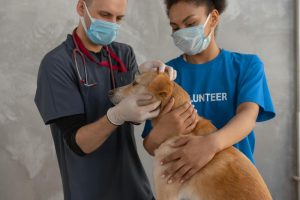
The cranial cruciate ligament sits inside the knee and stabilises it during movement, and it’s the canine equivalent of the ACL in humans. When it tears, partially or completely, the joint becomes unstable, and that instability is what causes the limping, swelling, and reluctance to bear weight you’re probably seeing right now. Some dogs injure it suddenly during play or a bad landing, while others develop a gradual tear from wear and degeneration over time. Either way, a proper diagnosis from your vet is the first step, usually involving a physical exam and often X-rays, since other joint problems can look similar from the outside.
Why Surgery Is Usually Part of the Plan
For most dogs, especially medium and large breeds, surgery is the recommended path forward. Procedures like TPLO (tibial plateau levelling osteotomy) or extracapsular repair are the most common approaches, and your vet will recommend the one best suited to your dog’s size, activity level, and anatomy. Surgery essentially rebuilds stability in the joint so your dog can bear weight properly again without the bones grinding against each other. It’s a big decision, and it’s normal to feel overwhelmed by it, but try not to get stuck comparing techniques online. Your vet has looked at your dog’s actual knee, not a general case, so their recommendation is the one that matters most here.
The First Few Weeks After Surgery
Recovery starts the moment your dog wakes up from the anaesthetic, and the early weeks are all about restricted activity. That means crate rest or a confined space, short leashed toilet breaks only, and no jumping, running, or stairs unless your vet says otherwise. It feels restrictive, and your dog will probably tell you so with a fair bit of pleading in their eyes, but this phase protects the surgical site while it heals. Pain management, follow-up checks, and keeping the incision clean are all part of this stage too. It’s tempting to loosen the rules once your dog seems to be walking better, but healing bone and soft tissue take time, so stick to the schedule your vet gives you even when your dog seems fine.
Building Strength Through Structured Rehab
Once your vet gives the green light, physiotherapy becomes the main focus, and this is where the real long-term recovery happens. A rehab specialist will usually introduce controlled exercises like slow leash walks, gentle hydrotherapy, and balance work designed to rebuild muscle around the joint without overloading it. Consistency matters more than intensity here, so a few short sessions most days will do more good than one long, ambitious one. Many owners find this stage easier once they see steady, if slow, improvement week by week. It’s also worth keeping a simple log of walk lengths and how your dog copes afterwards, since that record helps your rehab team fine-tune the plan as you go.
Managing Weight to Protect the Joint
Extra weight puts direct strain on a healing knee, so weight management deserves just as much attention as the exercises themselves. Dogs recovering from cruciate surgery often move less for a while, which can lead to gradual weight gain if feeding stays the same, so it’s worth talking to your vet about adjusting portions during the recovery period. A leaner dog also has less overall load going through all four joints, not just the injured one, which matters given that dogs who tear one cruciate ligament have a meaningfully higher chance of injuring the other side later on. Simple things like measuring meals properly and cutting back on high-calorie treats make a real difference over months of restricted activity.
Supporting Joint Health for the Long Run
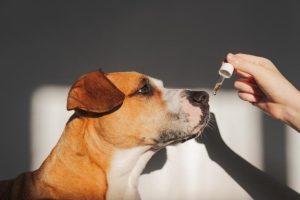
Full recovery and a return to normal activity commonly takes several months, and even once your dog is back to regular walks and play, joint care doesn’t really stop there. This is where many owners start looking at daily supplements as an ongoing layer of support, since ageing joints and previously injured ones can benefit from extra help. Rose-Hip Vital’s canine range is made from 100% pure rosehips containing GOPO, a patented compound the brand says is backed by more than 30 scientific studies, including nine double-blind, placebo-controlled trials, and works by helping to reduce inflammation. Rose-Hip Vital states that most dogs on consistent daily use begin showing signs of improved mobility within about three weeks. It’s worth being clear that this is the brand’s own research and positioning rather than an independent clinical claim, and a supplement like this should sit alongside, never in place of, your vet’s guidance, not replace surgery or a prescribed rehab plan.
Getting Through the Journey Together
Recovering from a cruciate injury is a slow process, and there will be setbacks along with the good days, so try to give yourself and your dog some grace through it. Lean on your vet and rehab team for the specifics of diagnosis, surgical decisions, and how your dog’s individual recovery plan should progress, since they know your dog’s case better than any article can. With time, consistency, and the right support around them, most dogs get back to the walks, zoomies, and couch snuggles you both missed.